Lummi Island Wild
Alaskan Black Cod (Sablefish)
- Shipped frozen for peak freshness
- Always wild-caught
- Skin-on, boneless
- Ocean-friendly, low-impact fishing methods
- Clean, lean protein
Alaskan Black Cod (Sablefish)
Couldn't load pickup availability
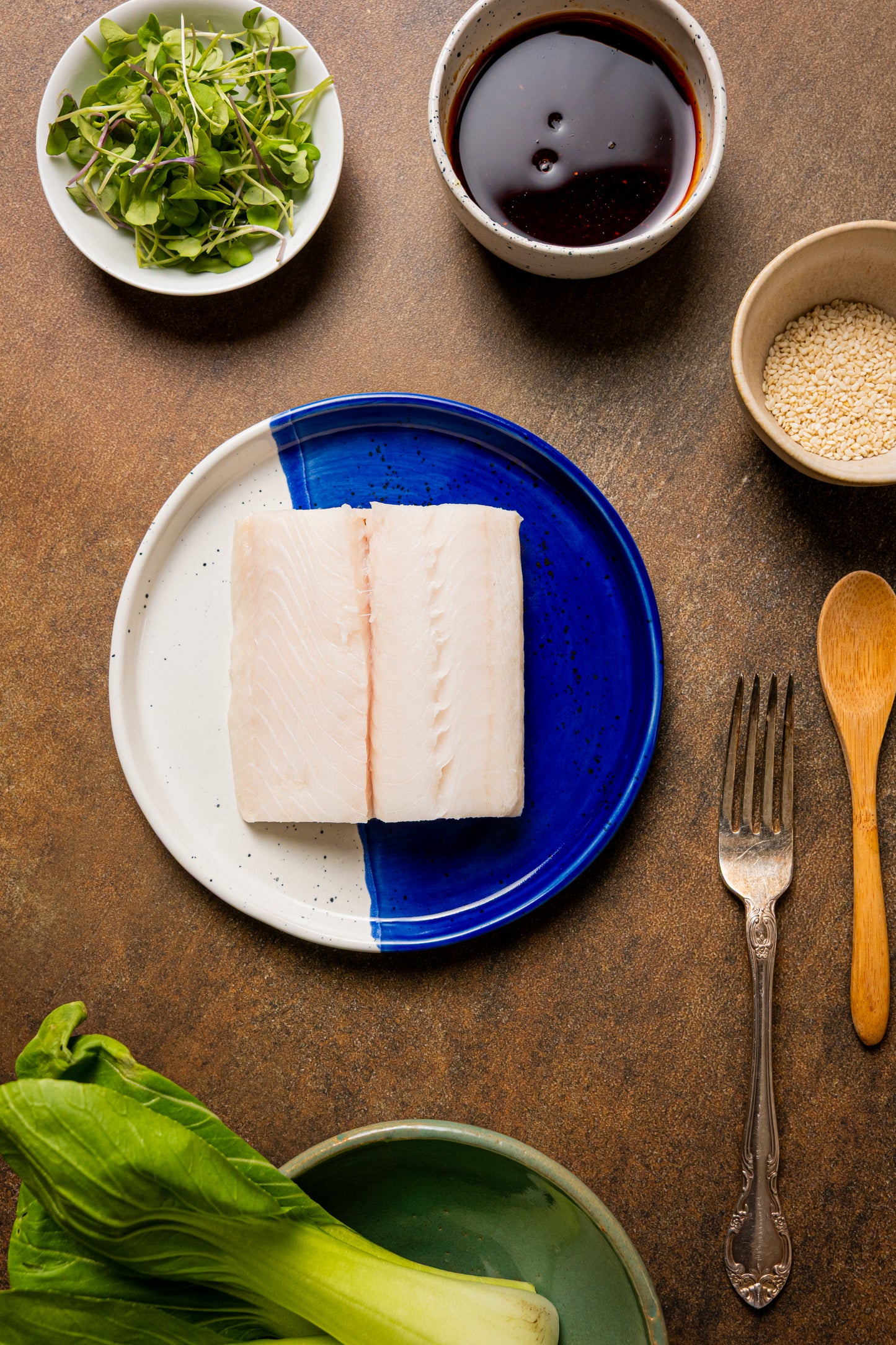
Sablefish, often called Black Cod or “butterfish,” is prized for its silky, velvety texture and naturally rich flavor. With exceptionally high omega-3 content, it’s one of the most luxurious whitefish you can cook. Tender, succulent, and remarkably forgiving, even for new home cooks.
Caught one at a time on hook-and-line gear in the deep, cold waters off Alaska, our sablefish is sourced from pristine, well-managed fisheries and frozen at peak freshness to preserve its delicate, melt-in-your-mouth quality.
Whether you prefer the iconic miso-marinated preparation or a simple pan-sear with salt and pepper, this is a fish that shines with minimal effort. Sweet flavor, lush texture, and extraordinary versatility.
Share

Everything you need to buy, store, and cook wild seafood with confidence.
From SOurce To Serving
Salmon Flavor Profile
King (Frequently Called Chinook)
Taste: Rich, decadent, buttery
Fat: Melts in your mouth, highest of all wild salmon
Texture: Soft, luxurious flakes
Best For: Searing, grilling, special meals
Sockeye (Frequently Called Reds)
Taste: Deep, rich, buttery
Fat: Naturally high fat, melts in your mouth
Texture: Firm yet tender flakes
Best For: Grilling, roasting, special meals
Coho (Frequently Called Silver)
Taste: Mild, clean, subtly sweet
Fat: Tender, silky richness
Texture: Leaner than King, delicate flakes
Best For: Roasting, pan-frying, weeknight meals
Pink (Frequently Called Humpies)
Taste: Light, delicate, subtle
Fat: Lean and juicy, perfect for everyday meals
Texture: Soft, tender flakes
Best For: Salads, burgers, fish & chips
Keta (Frequently Called Chum)
Taste: Earthy, hearty, satisfying
Fat: Lean but flavorful, firm and meaty
Texture: Dense, hearty flakes
Best For: Roasting, stews, hearty dishes
Sashimi Grade
Our salmon and tuna are handled with the same care and standards used for sashimi-grade seafood, flash-frozen at peak freshness, fully traceable, and harvested with methods that protect quality from the very first step. While all of our seafood meets sashimi-grade requirements, we’re selective: we’ve curated a collection of our most premium, melt-in-your-mouth cuts for the ultimate sushi night at home.
Center Cuts & Using the whole fish
Using the whole fish - not just center cuts - is a key part of sustainable seafood because it maximizes every nutrient-rich portion, reduces waste and honors the animal we harvest. Parts like shoulders, belly, and tails have unique flavors and textures and can be used in soups, sauces, fillets, and other dishes. By valuing every cut, we reduce environmental impact and make more food from each salmon we bring home.
Center and loin cuts are perfect for grilling, pan-searing, roasting, or sashimi - rich, balanced, and versatile.
Belly is the fattiest, buttery section ideal for sashimi, grilling, smoking, or crisp searing.
Tail pieces are leaner with a firm texture. Great for quick sautés, stir-fries, soups, salmon-cakes, or stews.
Collar and shoulder cuts are rich and fatty, excellent grilled or broiled for succulent bites.
Heads and bones make flavorful stocks or soups, adding depth and minimizing waste. We partner with Yodelin Broth Co. to create the best seafood bone broths available and “Honor the Whole Fish”. Try It Here.
Traceability
Where did this fish come from?
Every item we sell is fully traceable, you can see where it swam, who caught it, and how it made its way to you. We work directly with reefnet crews, tribal fisheries, and independent fishermen who prioritize quality and integrity over volume.
View the full journey on our Meet the Fishers page & see the map.
Storage & Handling
Your seafood arrives flash-frozen at peak freshness. Keep it frozen until you’re ready to cook.
For best results, remove the fish from its vacuum-sealed packaging before thawing, then place it in a covered container to thaw slowly in the refrigerator for 6–12 hours.
Once thawed, cook within 24–36 hours.
Cooking Tips
Wild seafood cooks differently than farmed, it’s leaner, more delicate, and packed with natural flavor. Here’s how to get perfect results every time:
- Don’t overcook. Remove it from heat when it flakes easily or reaches 125–130°F internal temp for salmon and whitefish. It continues cooking off-heat.
- Start hot, finish low. A quick sear in a hot pan (or on a hot grill), then a gentle finish creates the best texture.
- Keep it simple. Salt, pepper, olive oil, and a squeeze of lemon bring out the fish’s natural flavor, wild seafood doesn’t need much.
- From frozen? No problem. Most cuts can go straight from freezer to oven at 400°F for 12–18 minutes. Perfect for fast weeknight meals.
- Keep It Salty. Salmon welcomes bold seasoning. Salt enhances its natural oils and bright, ocean-clean flavor. If your diet allows, add one last pinch before cooking, it’s a simple secret to an extraordinary fillet.
Want foolproof recipes? Explore our full library for species-specific guides.
Amazing quality and taste! Arrived to TX with no thawing issues. I'm hooked!
Oh my heavens! This sablefish is The Bomb! It's flavorful, tender and arrived packaged beautifully and quickly. Lummi is The Bomb.
All filets were uniform thickness which is a welcome change from some vendors, and the fish is just really delicious and fresh tasting. I've been hesitant to buy frozen fish but now I'm a believer. Will definitely buy again.